Arch
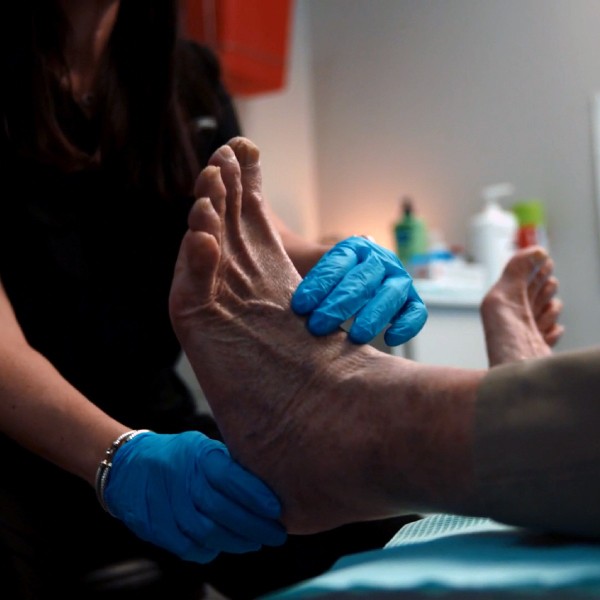
Arch pain is among the most frequently reported foot complaints and while it may seem minor at first, recurring arch pain is rarely something that resolves on its own without addressing what's causing it. Rest, ice, compression, and elevation (RICE) can ease initial discomfort, but if the activity or biomechanical pattern that triggered the pain continues, arch pain can become a chronic, debilitating condition that significantly impacts your daily mobility. Most arch conditions involve the plantar fascia, the primary structural support system running along the bottom of your foot.
What Causes Arch Pain? Understanding the Plantar Fascia
The plantar fascia is a dense band of connective tissue that runs from the heel bone (calcaneus) to the base of the toes, forming the structural foundation of your foot's arch. When this tissue becomes inflamed or overstressed — a condition known as plantar fasciitis — it produces sharp, aching pain along the arch and heel that is especially intense in the morning or after long periods of rest.
Plantar fasciitis is one of the most common lower extremity conditions treated by podiatrists, yet it is frequently underdiagnosed or managed with short-term solutions that don't address the root cause. At The Foot & Ankle Group, we follow a progressive, evidence-based care pathway:
Conservative treatment: Targeted rest, plantar fascia stretching protocols, and supportive footwear
Intermediate treatment: Corticosteroid injections for inflammation control and physical therapy coordination
Advanced treatment: Platelet-rich plasma (PRP) therapy or endoscopic plantar fasciotomy, a minimally invasive surgical procedure performed by our specialists
As we age, cumulative stress on the arch's supportive structures accelerates arch collapse particularly in patients with flat feet (pes planus) or hypermobile joints. Early intervention is the most effective way to prevent long-term structural deterioration and the need for reconstructive surgery.
Custom Orthotics for Arch Support & Biomechanical Correction
Abnormal foot mechanics such as overpronation, flat feet, or uneven gait patterns place excessive, repetitive strain on the plantar fascia and surrounding arch structures. Just as corrective lenses are prescribed to offset vision imbalances, custom orthotics are engineered to neutralize the biomechanical forces that cause arch pain to develop and recur.
The Foot & Ankle Group utilizes a state-of-the-art 4D scanning system powered by Footscan® software, which captures dynamic gait analysis, pressure mapping, and full volumetric foot data to design a precision orthotic device specific to your condition and anatomy. Our 3D-printed custom orthotics are available in multiple designs to address a wide range of arch-related conditions, including:
Flat foot (pes planus) orthotics — Supporting underdeveloped or collapsed arches
Sports performance orthotics — For athletes in Mount Laurel, Bordentown, and Philadelphia
Pediatric growth-adaptive orthotics — For children with developing arch conditions
Diabetic accommodative orthotics — Offloading vulnerable pressure points
Post-surgical supportive orthotics — Protecting the arch during recovery
When Arch Pain Has a Nerve Cause
Not all arch pain stems from the plantar fascia. Nerve entrapment conditions are a commonly overlooked source of chronic, burning, or radiating arch pain and require a specialist with advanced nerve expertise to properly diagnose and treat.
Tarsal tunnel syndrome is one of the most significant nerve-related causes of arch pain. It occurs when the posterior tibial nerve is compressed as it travels through the tarsal tunnel along the inside of the ankle, producing burning, tingling, or shooting pain that radiates into the arch and heel. Other nerve conditions that can manifest as arch pain include:
Morton's neuroma — Nerve thickening between the metatarsals causing sharp, burning arch and ball-of-foot pain
Peripheral neuropathy — Nerve damage causing numbness, tingling, or burning throughout the foot, common in diabetic patients
Complex regional pain syndrome (CRPS) — Chronic nerve pain that can follow injury or surgery
Dr. Michael Miller, DPM, is the only fellowship-trained nerve surgeon in the Philadelphia and South Jersey region credentialed by the Association of Extremity Nerve Surgeons (AENS). His expertise includes tarsal tunnel release, nerve decompression, Morton's neuroma excision, nerve grafting, and surgical decompression for diabetic neuropathy making The Foot & Ankle Group the premier regional destination for patients with complex, hard-to-diagnose arch and nerve pain.
Other Conditions That Cause Arch Pain
A thorough podiatric evaluation is essential because several conditions beyond plantar fasciitis can produce arch pain with similar presentations:
Flat feet (pes planus) — Insufficient arch development causing overpronation and chronic strain
Adult-acquired flatfoot deformity — Progressive arch collapse due to posterior tibial tendon dysfunction
Tarsal coalition — Abnormal fusion of tarsal bones, common in adolescents and young adults
Foot arch stress fractures — Hairline fractures from overuse or high-impact activity
Plantar fibromatosis — Benign nodular growths along the plantar fascia causing pressure-related arch pain
Posterior tibial tendon dysfunction (PTTD) — A leading cause of adult flatfoot and arch collapse
If you are experiencing persistent, recurring, or worsening arch pain, do not wait. The podiatrists at The Foot & Ankle Group serve patients across Mount Laurel, Columbus, Bordentown, NJ and the Roosevelt Blvd Philadelphia corridor. Request an appointment today for a comprehensive evaluation and a personalized treatment plan.
Frequently Asked Questions About Arch Pain
What causes arch pain in the foot?
The most common cause of foot arch pain is plantar fasciitis — inflammation of the connective tissue along the bottom of the foot. Other causes include flat feet, tarsal tunnel syndrome, posterior tibial tendon dysfunction, Morton's neuroma, stress fractures, and plantar fibromatosis.
When should I see a podiatrist for arch pain?
You should schedule a podiatric evaluation if your arch pain has persisted longer than two weeks, is interfering with walking or daily activities, worsens in the morning or after rest, or has not improved with rest and over-the-counter arch support insoles.
What does a podiatrist do for arch pain?
A podiatrist will assess your foot structure, gait mechanics, and symptoms, and may use imaging such as X-rays to identify structural causes. Treatment may include custom orthotics, stretching programs, injections, physical therapy, PRP therapy, or minimally invasive surgery depending on the diagnosis.
Can flat feet cause arch pain?
Yes. Flat feet (pes planus) place abnormal stress on the plantar fascia and supporting tendons, leading to arch and heel pain — particularly during prolonged standing, walking, or physical activity. Custom orthotics are one of the most effective treatments for flat foot-related arch pain.
Are custom orthotics worth it for arch pain?
Custom orthotics address the underlying biomechanical cause of arch pain rather than just masking symptoms. Unlike over-the-counter insoles, custom orthotics are precision-engineered from a 4D scan of your unique foot structure and gait pattern, making them significantly more effective for chronic or recurring arch conditions.
Does The Foot & Ankle Group treat arch pain in children?
Yes. Our podiatrists treat pediatric arch conditions including flat feet, Sever's disease (calcaneal apophysitis), in-toeing, and toe-walking patterns. Pediatric growth-adaptive orthotics are available for children whose arches are still developing.